


Best Routes, Most Demanded Destinations & How Iflyfirstclass.com Helps Companies Save Big


Understanding Corporate Travel in 2026
Corporate travel isn’t what it used to be—and that’s a good thing. In 2026, companies are no longer just booking flights; they’re managing entire travel ecosystems where cost, productivity, and employee experience all collide. After the disruption of previous years, business travel is not only back—it’s evolving fast. According to industry projections, global business travel spending is expected to reach $1.69 trillion in 2026, showing strong recovery and transformation at the same time .
What’s really interesting is how companies now view travel. It’s no longer about simply getting from point A to point B. It’s about maximizing value in every mile flown. Corporations are asking smarter questions: Is this route efficient? Is this fare optimized? Is this trip even necessary? And when the answer is yes, they want the best possible experience without overspending.
This is exactly where platforms like Iflyfirstclass.com come into play. Instead of treating corporate flights as a commodity, they approach them as a strategic advantage. Because let’s be honest—when your executives are flying long-haul, the difference between a smart booking and a bad one can cost thousands per ticket.

Global Demand for Business Class Flights
The demand for business class flights is not just rising—it’s accelerating. Airlines are doubling down on premium cabins because that’s where the margins are. In fact, premium travel now represents a significant share of airline revenue, with some carriers reporting up to 30% of revenue coming from premium cabins .
But why are companies willing to pay more for business class?
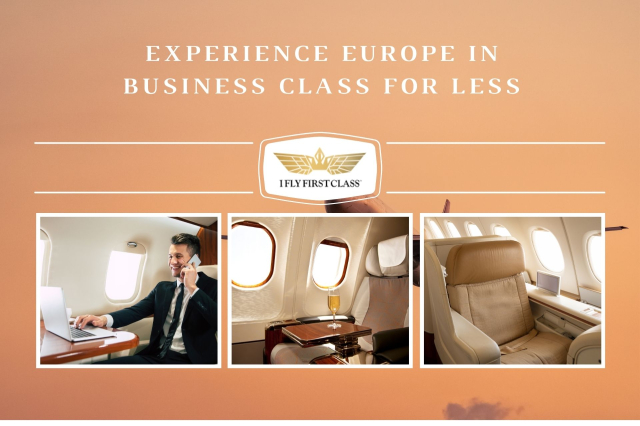
Because it’s not just about comfort—it’s about performance. Imagine sending a senior executive on a 10-hour flight in economy. They arrive exhausted, unfocused, and far from ready to close a deal. Now compare that to business class: flatbed seats, privacy, onboard Wi-Fi, and rest. The difference is not luxury—it’s productivity.
At the same time, airlines are upgrading the experience aggressively. New business class cabins now include private suites, larger screens, and even meeting-style seating arrangements, turning flights into mobile offices . For companies, this means that flying business class is no longer an expense—it’s an investment.

Most Demanded Corporate Flight Routes
Let’s talk about where the real action is happening.
Transatlantic Routes (USA – Europe)
These routes remain the backbone of corporate travel. Cities like New York–London, Chicago–Paris, and Miami–Madrid dominate due to finance, tech, and multinational operations. These are high-frequency, high-demand routes where business class seats are often sold out days in advance.
Asia–Europe Business Corridors
In 2026, there’s a noticeable shift here. Due to geopolitical disruptions, more travelers are routing through Asia hubs like Singapore, Hong Kong, and Tokyo instead of traditional Middle Eastern connections . This has increased demand—and prices—on these alternative routes.
North America Premium Domestic Routes
Routes like New York–Los Angeles or San Francisco–Chicago are considered “premium corridors.” These flights offer long-haul style business class because they serve executives who need to work mid-flight.
Here’s a quick comparison:
| Route Type | Key Cities | Why Demand is High |
|---|---|---|
| Transatlantic | NYC–London, Miami–Madrid | Finance, global HQs |
| Asia–Europe | Singapore–Frankfurt, Tokyo–Paris | Trade & tech |
| Domestic Premium | NYC–LA, SF–Chicago | High executive travel |
Emerging Corporate Travel Routes in 2026
The map of corporate travel is changing—and fast.
One major factor? Geopolitical risk and operational disruptions. Companies are actively avoiding certain transit hubs and choosing alternative routes, even if they’re slightly longer. This has created new demand patterns that didn’t exist just a few years ago.
At the same time, secondary cities are rising. Instead of only flying into global capitals, companies are targeting cities like Munich, Austin, or Valencia, where innovation and industry clusters are growing. This shift opens opportunities—but also requires smarter booking strategies.
And here’s the catch: these emerging routes are often less competitive, meaning prices can be higher if you don’t know how to navigate them. That’s exactly why expertise matters.

Why Route Optimization Matters for Companies
Think of corporate travel like a supply chain. Every inefficiency costs money.
Choosing the wrong route isn’t just about paying more—it can mean longer travel times, missed connections, and lost productivity. And when you multiply that across dozens or hundreds of employees, the impact becomes massive.
Companies that optimize routes properly can:
- Reduce total travel costs significantly
- Improve employee performance
- Minimize travel fatigue
- Increase deal success rates
Time, in corporate travel, is just as valuable as money. Saving three hours on a route might be worth more than saving $200 on a ticket. That’s the kind of decision-making that separates average travel management from elite strategy.
How Iflyfirstclass.com Helps Companies Save Money
Here’s where things get interesting.
Iflyfirstclass.com doesn’t just sell tickets—they optimize travel.
Negotiated Business Class Fares
They leverage industry relationships to access fares that are often 20–50% lower than standard retail pricing, especially on long-haul routes.
Route Intelligence
Instead of defaulting to obvious routes, they analyze alternatives—sometimes saving thousands by adjusting connections or carriers.
Flexibility Without Overpaying
Corporate travel needs flexibility. The key is getting it without paying premium penalties, and that’s where expertise makes a real difference.
Strategies to Reduce Corporate Travel Costs
Saving money on corporate flights isn’t about cutting corners—it’s about being smarter.
Booking early can help, but flexibility is even more powerful. Sometimes shifting a departure by just one day can unlock significantly lower fares. Choosing the right airline alliance also plays a major role, especially when companies want to consolidate loyalty benefits.
Another underrated strategy? Mixing carriers. Instead of sticking to one airline, combining routes can unlock better pricing while maintaining quality.
Business Class Flights: Value vs Price
At first glance, business class seems expensive. But when you break it down, the value becomes clear.
You’re not just buying a seat—you’re buying:
- Rest
- Productivity
- Time
- Performance
Executives who arrive well-rested are more effective. Teams that travel comfortably perform better. Deals close faster when people are sharp.
And here’s the reality: companies that cut travel quality often pay for it elsewhere—in lost opportunities.
Corporate Travel Trends Impacting Routes
Corporate travel is being reshaped by two major trends:
Bleisure Travel
Employees are extending business trips for personal time. In fact, 83% of travelers occasionally mix business with leisure . This affects route planning, as travelers look for destinations that offer both work and lifestyle benefits.
Sustainability
Companies are now tracking emissions and optimizing routes to reduce carbon impact. Around 20% of travel buyers already have carbon reduction targets . This means route selection is no longer just about cost—it’s about responsibility.
The Future of Corporate Flights
Looking ahead, the future is clear: smarter, faster, more optimized.
AI will play a huge role in predicting disruptions, optimizing routes in real time, and automatically rebooking flights before problems even happen. Corporate travel will become less reactive and more proactive.
At the same time, demand for premium travel will continue to grow. Airlines are investing heavily in business class because that’s where the future profits are.
And companies? They’ll need partners who understand this complexity.
Conclusion
Corporate travel is no longer just logistics—it’s strategy.
The most demanded routes are evolving, costs are rising, and expectations are higher than ever. Companies that treat travel as a strategic function—not just an expense—are the ones gaining a competitive edge.
Iflyfirstclass.com sits right at that intersection, helping organizations unlock better routes, better prices, and better outcomes.
Because in today’s world, how you travel says a lot about how you do business.
FAQs
1. What are the most popular corporate flight routes today?
The most in-demand routes include transatlantic flights (New York–London), Asia–Europe corridors, and premium domestic US routes like New York–Los Angeles.
2. Why do companies prefer business class flights?
Because they improve productivity, reduce fatigue, and help employees perform better during important business trips.
3. How can companies save money on corporate flights?
By optimizing routes, booking strategically, and using specialized platforms like Iflyfirstclass.com that offer negotiated fares.
4. Are business class flights worth the cost?
Yes, especially for long-haul travel. The productivity and performance benefits often outweigh the additional cost.
5. What trends are shaping corporate travel in 2026?
Key trends include AI-driven booking, sustainability requirements, and the rise of bleisure travel.